More Than Metal: The Enduring Appeal of Collectible, Challenge, and Sobriety Coins
A coin is small enough to disappear into a pocket, yet heavy enough to carry a story. For some people, coins are a pursuit—a hunt for dates, mint marks, and rare errors. For others, they are a language of belonging, passed from palm to palm in quiet moments of recognition. And for many, a coin is a daily reminder of a promise kept. Collectible coins, challenge coins, and sobriety coins may look like cousins on a display shelf, but each one speaks a different dialect of value. Together, they show how a simple disc of metal can become a hobby, a handshake, and a lifeline.
Collectible Coins: The Thrill of the Hunt
Collectible coins—often called numismatics—reward patience and curiosity. The appeal is not only in the shine of silver or the weight of gold, but in the stories pressed into every surface. A worn penny can reveal a century of commerce; a commemorative issue can capture a moment in history; a mint error can turn an ordinary coin into a treasure hunt with a magnifying glass. Collectors learn to read condition, rarity, and demand, and they often discover that the most valuable coin in a collection is the one that taught them the most.
What makes collectible coins so absorbing is the way they combine history, craftsmanship, and strategy. A collector might spend months completing a date-and-mint-mark set, then pivot to themed collections such as ships, animals, or space exploration. Grading and certification add a layer of expertise, while online auctions and coin shows keep the chase social. Storage matters, too: archival holders, capsules, and albums protect both value and story. The hobby is quiet on the surface, but underneath it is a lively marketplace of research, negotiation, and discovery.
- Start with a focus: choose a country, era, theme, or metal to keep the hunt manageable.
- Learn the language: understand mint marks, grades, key dates, and common counterfeits.
- Protect your finds: avoid cleaning coins, and use inert holders that prevent damage.
- Enjoy the process: the best collections are built by curiosity, not by rushing to complete a checklist.
Challenge Coins: A Silent Handshake in Metal
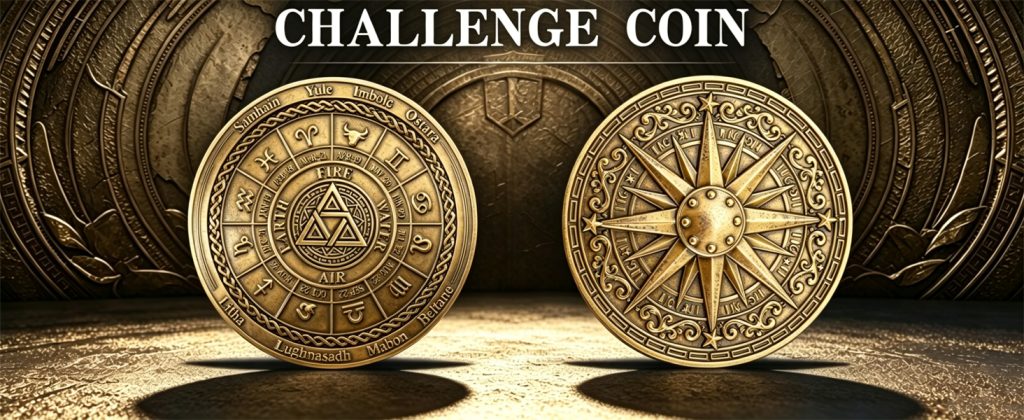
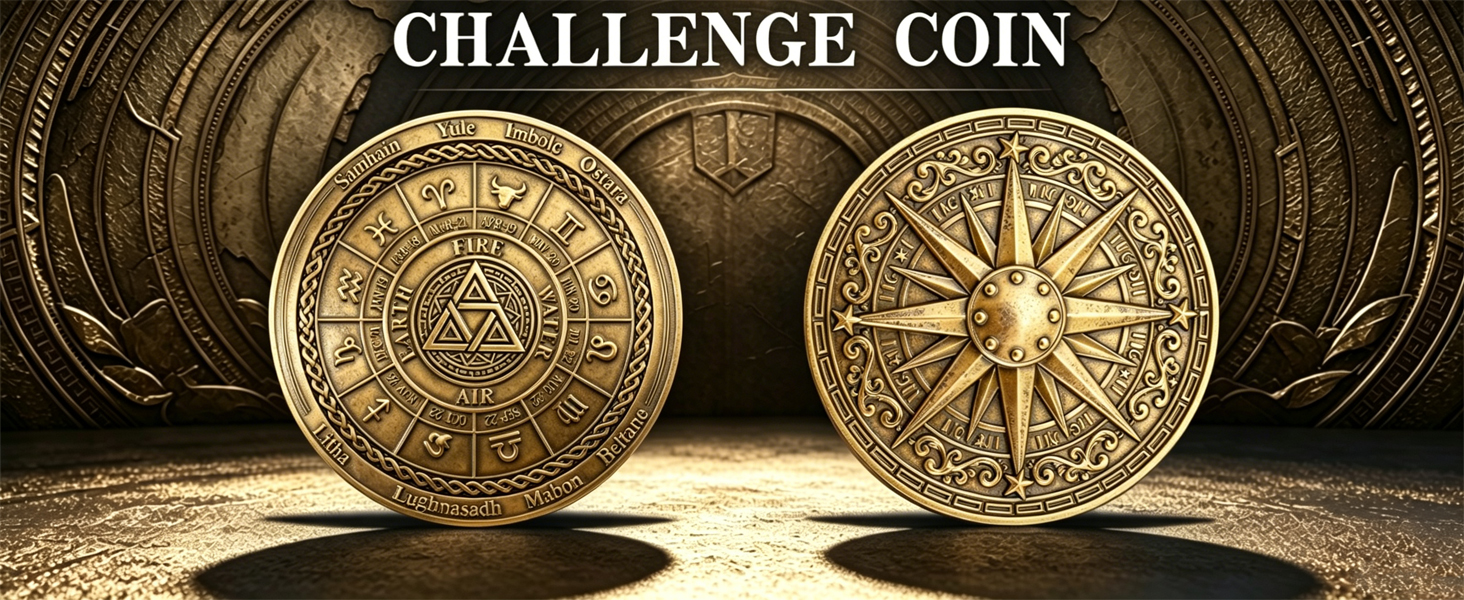
Challenge coins carry a different kind of weight—the weight of identity. Often associated with military units, first responders, and close-knit teams, these coins are less about market value and more about membership. A challenge coin is typically presented as a token of recognition, gratitude, or shared experience. It may bear a unit crest, a motto, a date, or a symbol that means little to outsiders and everything to the person who receives it. The coin becomes a portable piece of a larger story: I was there. I belong. I remember.
The tradition of the “coin check” adds a playful edge. In many circles, if someone challenges you by producing their coin and you cannot answer with yours, custom says you owe a round or a small favor. The rule varies by group, but the spirit is the same: the coin is not just a keepsake; it is a pledge of camaraderie. Designers often pack challenge coins with detail—raised edges, enamel color, cutouts, and custom shapes—because the coin must feel substantial in the hand. Presentation matters, too. A challenge coin given in silence across a table can say more than a speech.
“A challenge coin is a memory with edges.” It marks a shared mission, a hard season, or a bond that does not need to be explained to anyone who was there.
Sobriety Coins: Milestones You Can Hold
Sobriety coins—also called recovery tokens or medallions—turn time into something tangible. In recovery communities, especially those shaped by twelve-step traditions, a coin is often given to mark a period of abstinence: twenty-four hours, thirty days, sixty days, ninety days, six months, one year, and beyond. The coin is not a prize for perfection; it is a reminder that recovery happens one day at a time. Many people carry a sobriety coin in a pocket, keep one on a nightstand, or pass it along to someone who needs encouragement.
The design of sobriety coins is often deeply symbolic. Common elements include serenity prayers, anniversary dates, geometric shapes, and phrases of hope. Some coins are simple and dignified; others are colorful and highly personalized. A sobriety coin can be engraved with a name, a date, or a private message, turning a standard token into a personal landmark. For families and friends, giving a sobriety coin can be a way to say, I see your effort, and I am proud of you. For the person in recovery, the coin is a quiet anchor—a physical object that says the next right choice is possible.
- Meaning over glamour: the most powerful sobriety coin is the one that reminds you why you started.
- Keep it close: a pocket, wallet, or keychain can make the coin a daily touchstone.
- Mark the moment: a specific date or milestone can make the token more personal.
- Pass it on: many people give older coins to newcomers as a gesture of hope.
Where the Three Worlds Meet
Collectible coins, challenge coins, and sobriety coins occupy different shelves in the same larger story. All three depend on craftsmanship: the crispness of a strike, the balance of a design, the durability of a finish. All three also depend on meaning. A rare coin may be valuable because few were made, but it becomes memorable because of the hunt. A challenge coin may be inexpensive to produce, but it becomes priceless because of the moment it represents. A sobriety coin may cost little, but it can carry the weight of an entire year of choices.
Display and care connect the three as well. Collectors use albums and capsules; teams keep challenge coins in cases or on desks; people in recovery often keep sobriety coins in a safe, meaningful place. The common thread is respect—for the object, for the story it holds, and for the community that gives it meaning. Whether you are chasing a key date, answering a coin check, or celebrating a sober anniversary, you are participating in a tradition that turns metal into memory.
In the end, coins are never just coins. They are proof of effort, tokens of belonging, and reminders of promise. Collectible coins invite us to look closer. Challenge coins invite us to stand together. Sobriety coins invite us to keep going. And sometimes, the smallest object in the room carries the largest story.